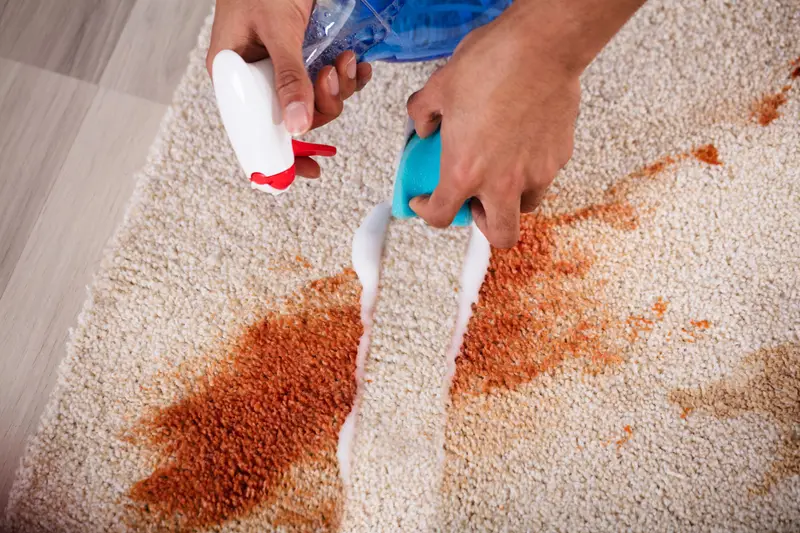
To get tea out of carpet, blot up as much as you can, dab on cool water and blot again until little color comes up, then blot with a few drops of clear dish soap in cool water and rinse. If an amber tint is left, a mild white vinegar solution usually lightens it. What else it takes depends on the tea: black and iced tea are mostly tannin, red herbal blends behave more like a dye, and boba and milk tea add sugar, milk and pearls.
Why does tea stain carpet?
Black tea is rich in tannins, plant compounds that tint fiber amber to brown. A tea spot often looks pale while wet and darker once it dries, and tannin stains tend to deepen with age, so an iced tea spill nobody noticed can look worse a week later. Heat helps tannin set, so keep everything cool.
Hibiscus, rooibos and berry blends are a different stain. Their red comes from plant pigments closer to the ones in red wine, so expect more rounds of rinsing and blotting.
What about boba and milk tea?
Boba shops are everywhere in the San Gabriel Valley, and a dropped cup is a three-part spill. Pick up the tapioca pearls first with a spoon; stepping on them presses syrup into the pile. What’s left is tea (tannin), milk or creamer (protein and fat) and sweetener, which dries sticky and turns gray as it collects dirt. Use cool water only, do the dish soap step even if the color looks gone, and rinse thoroughly.
How do you get tea out of carpet, step by step?
- Lift solids. Scoop up pearls, jelly, leaves or a tea bag with a spoon.
- Blot and dilute. Press a white cloth straight down, working from the outside in, then dab on cool water and blot again while color still transfers.
- Use dish detergent. A few drops of clear dish soap in a cup of cool water, dabbed on and blotted. Extension stain guides warn that true soaps, such as bar soap and soap flakes, make tannin stains harder to remove.
- Rinse. Mist with plain water and blot until the cloth comes up clean.
- Lift the amber. Dab on one part white vinegar to two parts cool water, wait a few minutes, blot, and rinse once more.
- Dry it. A folded white towel with something heavy on top, or a fan.
Test the soap and vinegar mixes in a hidden spot first and let them dry before you judge.
What about tea on a couch?
Check the cleaning code under the cushions. On W or WS fabric, follow the same steps with the liquid on the cloth, and blot the outer edge of the damp area so it dries without a ring. On S fabric, blot and stop; use only a solvent cleaner labeled for S fabrics, or call. On X, blot dry only. Milk tea soaks into cushion foam quickly, so press a dry towel down firmly to draw it back out.
What about wool, silk and viscose rugs?
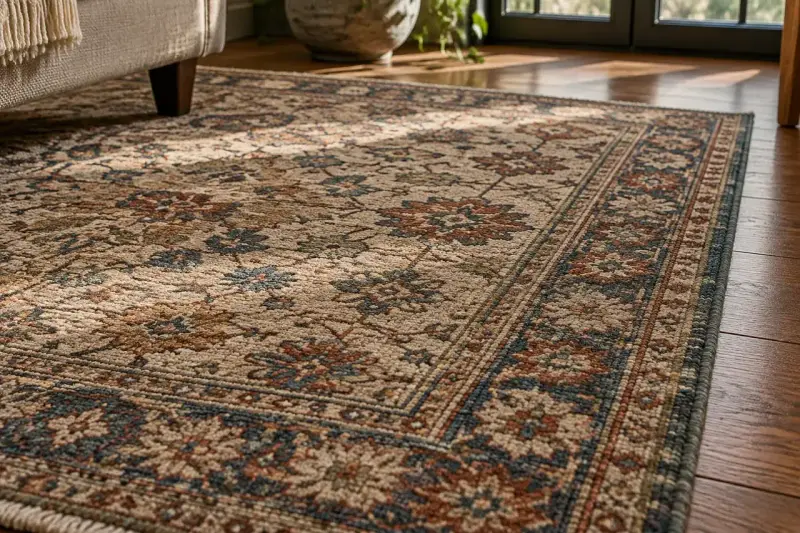
On wool, use cool water and blotting, with a drop of dish soap if needed, and skip vinegar and peroxide, which can shift natural dyes. On silk and viscose, blot dry only: plain water can permanently mark viscose. How to identify rug fiber walks through the checks if you’re unsure. We clean area rugs in your home, or pick them up, clean them off-site and bring them back.
What if the stain comes back?
A big spill can soak to the pad and rise again as the carpet dries, often overnight; why carpet stains come back after cleaning explains wicking. If two rounds haven’t moved it, stop adding product.
Tea stain still showing in West Covina?
Tell us what kind of tea it was; black tea, hibiscus and milk tea each need a different approach. Buyher’s is family-owned and based in West Covina, and our carpet cleaning uses truck-mounted hot-water extraction. Text a photo to (626) 260-6256 or call (800) 794-9241.