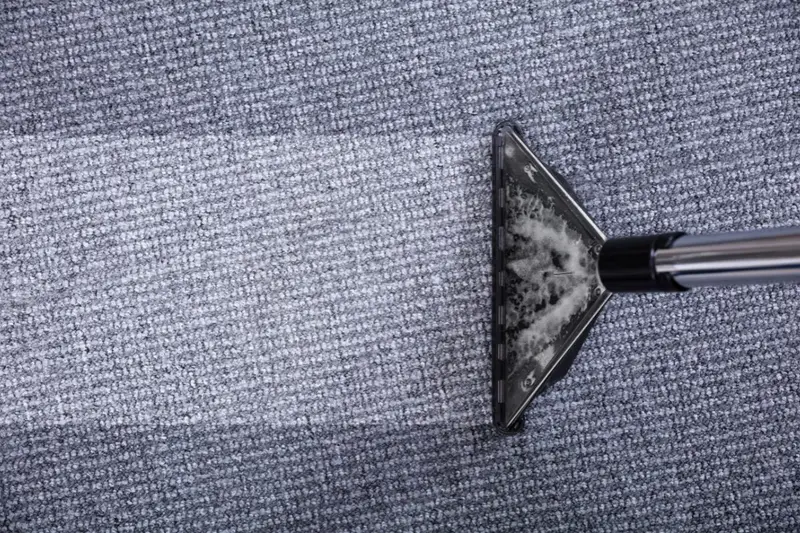
Sunscreen and lotion are oil mixed with water, and the oil is what stays behind, so water alone just spreads them. To get them out of carpet, scrape up the excess, soak up what you can with cornstarch or baking soda, vacuum, then blot with a few drops of dish soap in cool water. If a greasy film is left, dab it with rubbing alcohol on a white cloth after testing a hidden spot. Rinse with plain water and blot dry. Most fresh spots come out completely.
Why does a lotion spot get darker over time?
Lotions and sunscreens are emulsions: oils, waxes and water held together so they spread easily on skin. Once the water evaporates, the oily part clings to the fibers and quietly collects dust and soil. That’s why a spot that looked like nothing turns into a gray patch weeks later, and why sofa arms and the path from the back door to the bathroom darken over a San Gabriel Valley summer.
Sunscreen adds a twist. Some sunscreen ingredients can react with minerals such as iron in tap water and turn yellow or orange, so a spot that started out white can look rusty after you’ve cleaned it. That isn’t dirt you missed, and scrubbing won’t fix it.
How do you get sunscreen or lotion out of carpet?
- Scrape the excess with a spoon, lifting rather than pressing down.
- Absorb the oil. Sprinkle cornstarch or baking soda, leave it about 15 minutes, then vacuum slowly.
- Degrease. Mix a few drops of clear dish soap into a cup of cool water. Blot it on with a white cloth and lift, and repeat while the spot keeps transferring.
- Finish with alcohol if needed. For a film that still feels slick, test rubbing alcohol on a hidden spot, such as inside a closet, then dab it on with a cloth, with a window open.
- Rinse and blot dry. Mist with plain water and blot until the cloth comes up clean. Soap left behind turns the spot dark again; 7 common carpet stains covers this and other oily spills.
Is it different on a couch?
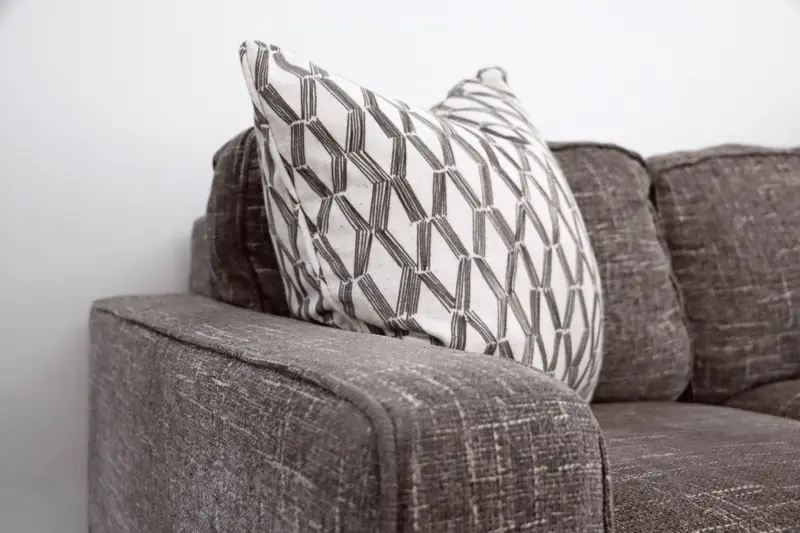
Sofas get more of this than carpet does, because headrests, arms and seat fronts touch skin every day. For a single spot, check the cleaning code. W and WS fabric take the dish soap method with a barely damp cloth. S fabric needs a water-free upholstery solvent cleaner, tested first, because water leaves rings. X is vacuum only. Leather needs leather products.
Darkened arms and headrests are buildup rather than a spill, and they respond to a full cleaning far better than to spotting. How often to clean a sofa, by fabric type explains why some fabrics show it sooner.
What about wool and natural-fiber rugs?
Use the powder and the dish soap solution sparingly, blotting rather than rinsing heavily, since wool and cotton hold water and dry slowly. Use alcohol on wool only if a hidden-spot test comes out clean, and leave silk and viscose to a professional; plain water can mark them.
What if a mark remains?
A gray shadow that comes back is leftover oil or soap, and one more plain-water rinse with a firm blot usually settles it. A yellow or orange sunscreen mark is different. Don’t reach for bleach or oxy powders, which lighten carpet dye and may not touch the mark. Send a photo before anything else goes on it. On sofas, our upholstery cleaning handles a whole summer of buildup, and fabric usually dries in about 4 to 8 hours.
Pool season in West Covina?
Buyher’s is family-owned and based in West Covina, cleaning carpet and upholstery across the San Gabriel Valley since 1987. Text a photo of the spot to (626) 260-6256 for a free quote, or call (800) 794-9241.