Rust is one of the harder stains to get out of carpet. On most synthetic carpet you can often lighten a small spot at home: vacuum up loose flakes while the carpet is dry, test a mild acid such as white vinegar or lemon juice on a hidden spot, dab it on with a white cloth, give it a few minutes, blot, and rinse with plain water. If it hasn’t faded after two careful rounds, stop. Stronger chemistry is where carpet gets damaged, and a professional is better placed to finish the job.
Why is rust so hard to get out of carpet?
Rust isn’t a spill sitting on the fibers. It’s iron oxide: fine, hard particles that lodge in the pile and cling to it, and neither water nor soap dissolves them. That’s why the usual dish soap method barely touches a rust spot. Iron needs an acid to dissolve, and an acid strong enough to work fast is also strong enough to change dye or weaken the backing.
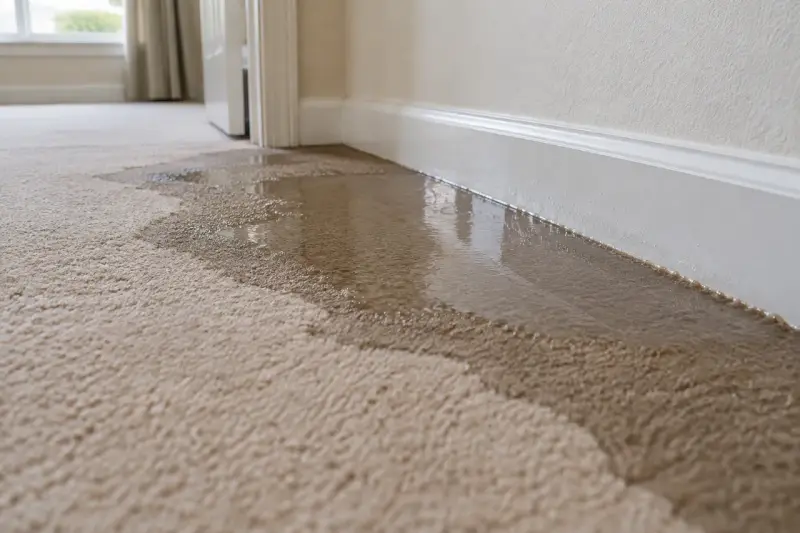
Most rust stains start with moisture. A metal chair foot, plant stand or paint can sits on carpet that got damp from a mopped floor, a watered plant or a leak, and the rust transfers within a day or two. After a leak or flood, slipping foil or plastic lids under furniture legs prevents exactly this. Iron-rich lawn fertilizer tracked in on shoes can leave orange specks too.
How do you get rust out of carpet?
- Remove the source. Lift the metal object away, and put foil or a plastic lid under it if it has to go back.
- Vacuum while it’s dry. Loose flakes come up with the hose attachment. Wetting them first turns them into a smear.
- Test first. Mix equal parts white vinegar and cool water, or use plain lemon juice. Dab a little on a hidden spot, let it dry, and check for any color change.
- Dab, wait, blot. Put the mix on a white cloth, press it onto the rust, and give it about five minutes to work. Blot straight down; don’t rub.
- Rinse and blot dry. Mist with plain water and blot until the cloth comes up clean, so no acid or sugar stays in the pile.
- Repeat only while it’s fading. Two rounds is a sensible limit.
Keep the room ventilated, and never combine vinegar or lemon juice with bleach or another cleaner. Acid and bleach together release a dangerous gas.
Is it different on a couch?
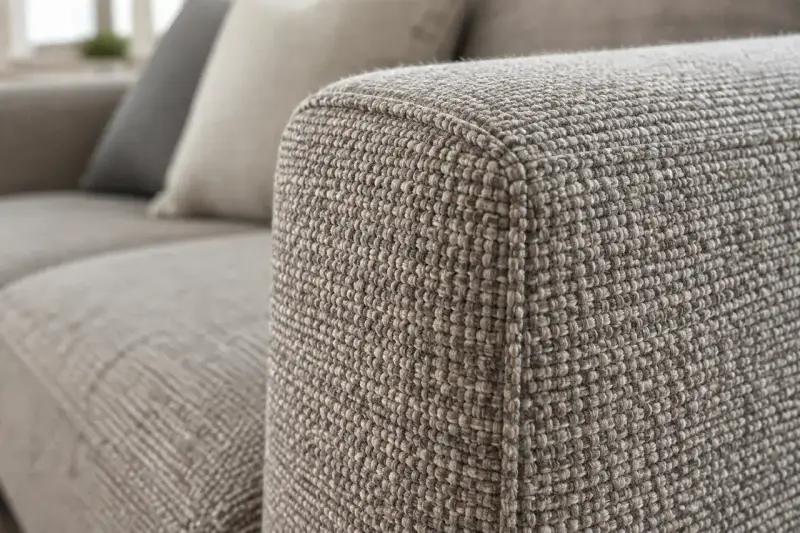
Rust on upholstery usually comes from metal legs or frame parts meeting a damp cushion or skirt. Check the cleaning code first; our guide to upholstery cleaning codes shows where the tag hides.
- W or WS: the vinegar method can work with less liquid. Use a barely damp cloth so you don’t leave a water ring.
- S: no water-based treatment, vinegar included. Blot dry and call.
- X: vacuum only; leave it to a professional.
What about wool and natural-fiber rugs?
Don’t put vinegar, lemon juice or any rust remover on wool, silk, cotton or jute. Natural dyes can bleed or shift, and cotton and jute foundations brown when they’re wetted. Vacuum off loose flakes, keep the rug dry and away from the metal, and have it looked at.
What if a mark is still there?
An orange shadow after two rounds is common, and more home products rarely help. Skip commercial rust removers: they can burn skin and eyes and damage carpet backing. A rust spotter used by a professional, with the right dwell time and a thorough rinse, often removes what home methods leave behind, though very old rust may only lighten. If the carpet around the spot looks dingy next to it, a full carpet cleaning keeps the treated area from standing out.
Want a second opinion on a rust stain?
Buyher’s is a family-owned carpet and upholstery cleaner based in West Covina, serving the San Gabriel Valley since 1987. Text a photo of the spot to (626) 260-6256 for a free quote, or call (800) 794-9241 any hour.