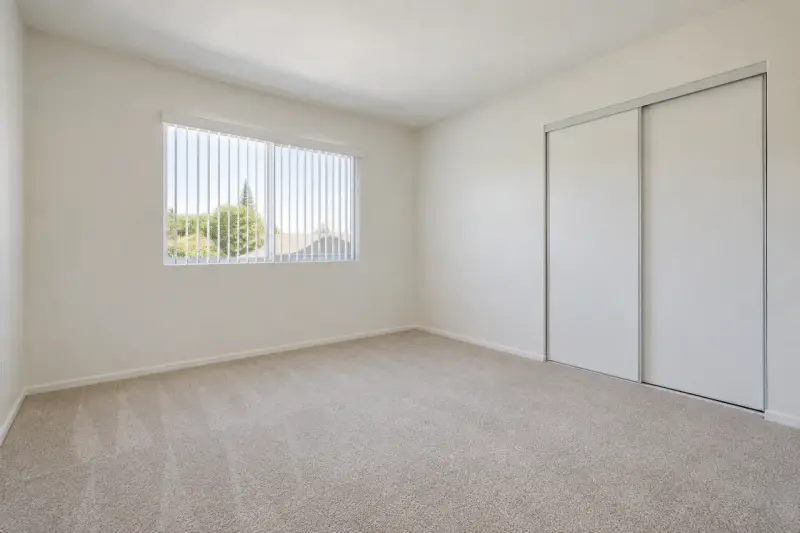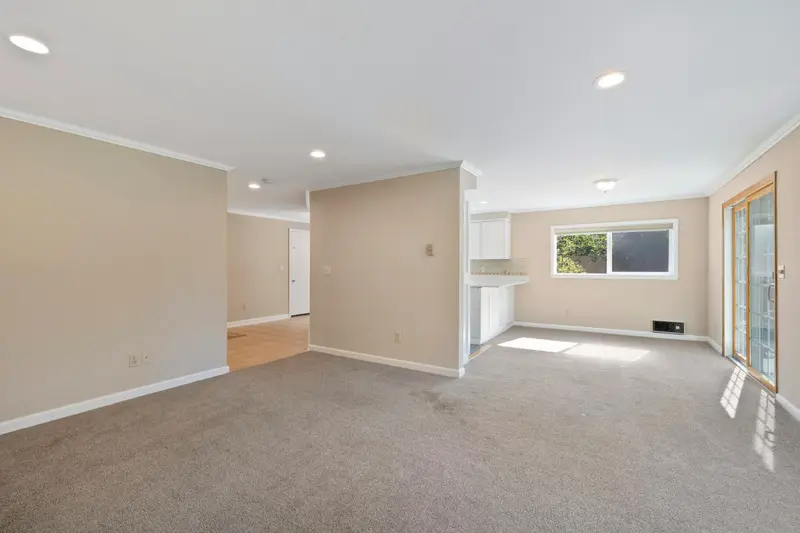
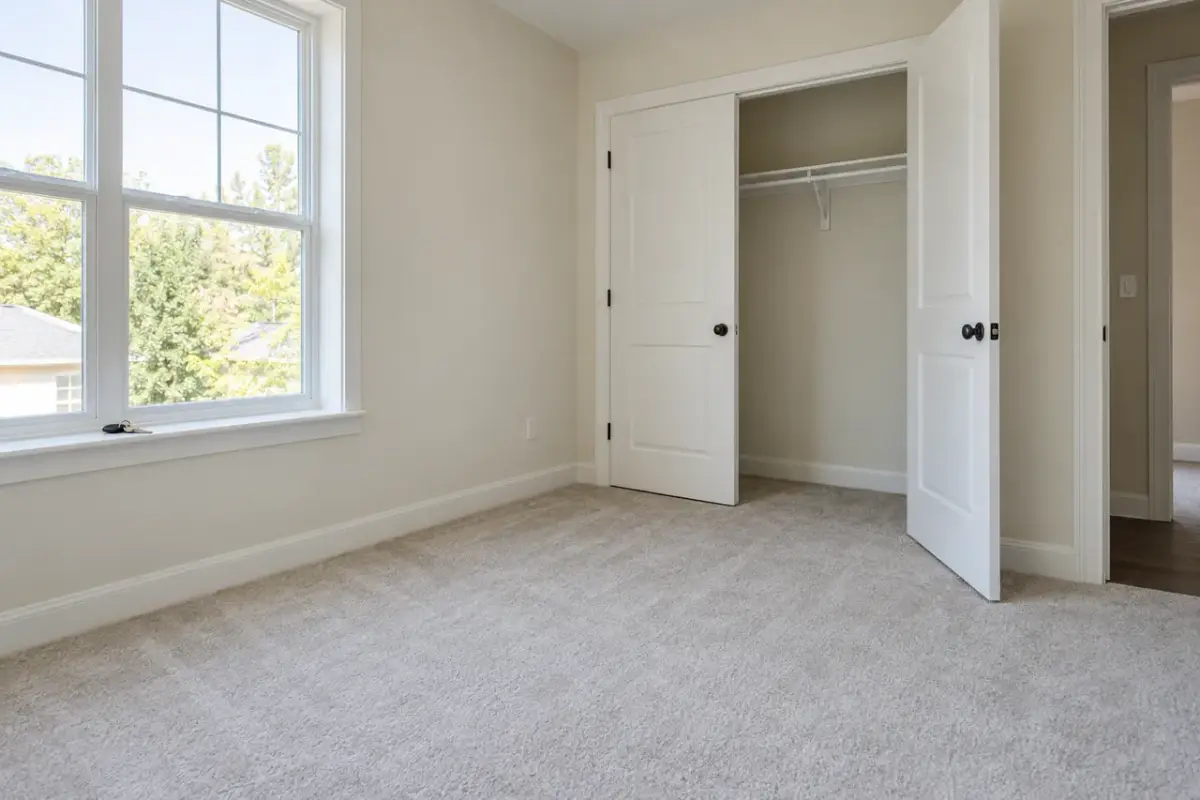
In California, a tenant pays for move-out carpet cleaning only when the carpet is dirtier than it was at move-in. Civil Code section 1950.5 lets a landlord deduct from the security deposit for the cleaning needed to return the unit to the level of cleanliness it had when the tenancy began, and for damage beyond ordinary wear and tear, but not for ordinary wear and tear itself. Since 2025, the statute also says a landlord can’t make a tenant pay for professional carpet cleaning unless it’s reasonably necessary to return the unit to its move-in condition, excluding ordinary wear and tear. In practice, a carpet cleaning charge has to match the carpet’s actual condition rather than be applied to every move-out automatically.
This is general information, not legal advice. We’re a carpet cleaning company in West Covina, not lawyers. For a dispute over a specific deposit, talk to a tenant-landlord attorney or a local tenant resource, and read the statute itself (linked under Sources below).
What does California law say about carpet and deposits?
The parts of section 1950.5 that come up most around carpet:
- What a deposit can cover. Unpaid rent, repair of damage beyond ordinary wear and tear caused by the tenant or their guests, and the cleaning needed to bring the unit back to its move-in level of cleanliness.
- What it can’t cover. Ordinary wear and tear, and conditions that existed before the tenancy started.
- Professional carpet cleaning. A tenant can’t be required to pay for it unless it’s reasonably necessary to restore the unit’s move-in condition, excluding ordinary wear and tear. This came in with AB 2801, passed in 2024.
- No “nonrefundable” deposits. A lease can’t label any part of a security deposit nonrefundable.
- The pre-move-out inspection. The landlord has to tell you in writing that you can ask for an initial inspection. It happens no earlier than two weeks before you move out, and you get an itemized list of the repairs or cleaning the landlord plans to deduct for, so you have a chance to fix them first.
- The 21-day deadline. Within 21 days after you move out, the landlord has to return the deposit or send an itemized statement of what was kept and why.
- Photos. Landlords now photograph the unit after the tenant moves out, before any cleaning or repairs they plan to deduct for, and again after that work is done, and include the photos with the itemized statement. For tenancies that began on or after July 1, 2025, they also photograph the unit at move-in.
Is it normal wear and tear or damage?
There’s no list in the statute, and the age of the carpet changes the answer: lanes in a carpet that’s seen years of tenants are expected, while the same lanes in carpet installed just before you moved in may not be. These are common examples, not rulings.
| Carpet condition | How it’s often viewed |
|---|---|
| Traffic lanes and light matting in walkways after years of use | Ordinary wear and tear |
| Fading near a sunny window | Ordinary wear and tear |
| Fraying at seams or doorways from age | Ordinary wear and tear |
| Everyday dust and soil no worse than at move-in | Not chargeable |
| Soil, spills or spots well beyond the move-in condition | Cleaning may be chargeable |
| Pet urine stains or odor in the carpet and pad | Often treated as damage |
| Burns, bleach spots, large dye stains | Often treated as damage |
| Tears, pulled loops, chewed edges | Damage |
From the cleaning side, the useful split is this: soil, most food and drink spots, and odor that hasn’t reached the pad usually clean up. Burns, bleach spots, worn-through pile and urine soaked into the pad don’t, and no cleaning will turn damage into wear and tear. Landlords weighing that same question can see what to check before replacing rental carpet.
Should you clean the carpet yourself or hire a professional?
If the carpet looks the way it did when you moved in, a thorough vacuum may be all it needs. If there are spots, pet accidents or soil that wasn’t there at the start, cleaning it before you leave is the most direct way to take the question off the table.
A rental machine can work for a lightly soiled room, but it leaves carpet wetter and can leave soap behind, and damp or sticky carpet at the walkthrough doesn’t help you. We compare the two in rental carpet cleaner vs. professional cleaning. Pet spots need enzyme treatment rather than a scented spray, because a smell that returns a few days after you hand back the keys is the kind of thing that ends up on an itemized statement.
Many leases still include a professional-cleaning clause. How a clause like that holds up against the 2025 change is a question for an attorney, not a carpet cleaner. What we can do is clean the carpet properly and give you a dated receipt.
How should you prepare for the move-out walkthrough?
- Find your move-in record: the inspection checklist, your photos, and any emails about the carpet’s condition when you arrived.
- Ask for the initial inspection in writing once you’ve given notice, and go to it. The itemized list tells you exactly what the landlord is looking at.
- Get the furniture out, then vacuum everything, including closets and the spots where beds and dressers stood.
- Deal with the spots on the list. Blot fresh ones with cool water; leave old or pet spots for a professional rather than layering on store products.
- Schedule any cleaning after the movers and before the walkthrough, with time for it to dry. How long carpet takes to dry has the timeline.
- Take dated photos of every room once the carpet is dry, including close-ups of any marks that were there at move-in.
- Keep the cleaning receipt with your photos.
- Give your forwarding address in writing, then watch for the deposit or the itemized statement within 21 days.
Our move-out carpet cleaning checklist for renters covers the cleaning side in more detail, including student rentals near APU and Cal Poly Pomona.
What should landlords keep in mind?
- Photograph at move-in and move-out, before and after any cleaning you plan to deduct for. The photos now go with the itemized statement.
- Charge for the gap, not the routine. Cleaning that brings the carpet back to its move-in condition can be deducted; refreshing carpet that’s only worn from normal living can’t.
- Keep the invoice from any cleaning or repair done by an outside company. The itemized statement generally needs copies of those bills.
- Document cleaning between tenants. A dated invoice from the start of a tenancy is your best record of the move-in condition.
Our rental property carpet cleaning page covers turnovers for landlords and property managers.
When should you call a professional?
- A pet smell comes back after you’ve cleaned, which usually means urine reached the pad.
- The initial inspection flagged stains you haven’t been able to lift.
- The carpet is heavily soiled in traffic lanes or entries.
- Your walkthrough is days away and you’d rather not risk a rental machine.
We can’t promise how a landlord will handle a deposit. We can leave the carpet clean, treat pet spots at the source, and give you a dated receipt. Our move-in and move-out carpet cleaning is set up for renters on a deadline in West Covina, Pomona and across the San Gabriel Valley.
Online booking opens about a week out; for anything sooner, call (800) 794-9241, any hour, and we’ll fit you in if the schedule allows. Or text a photo to (626) 260-6256 for a free, upfront quote.