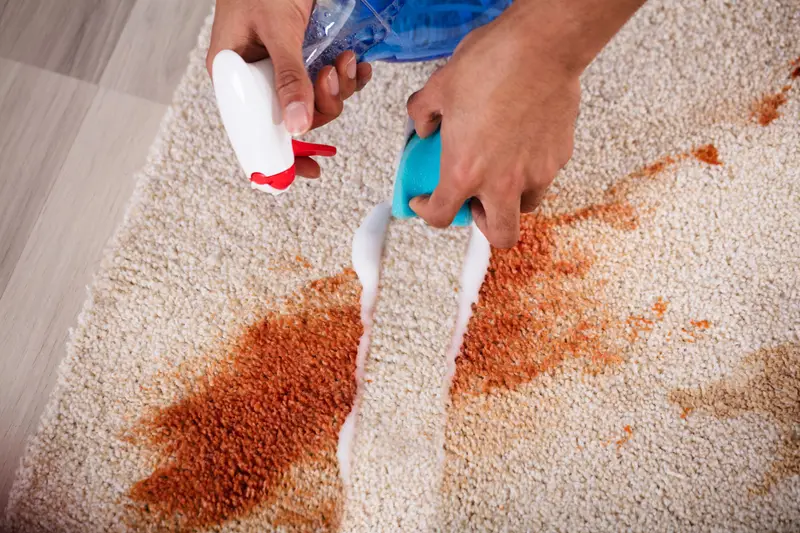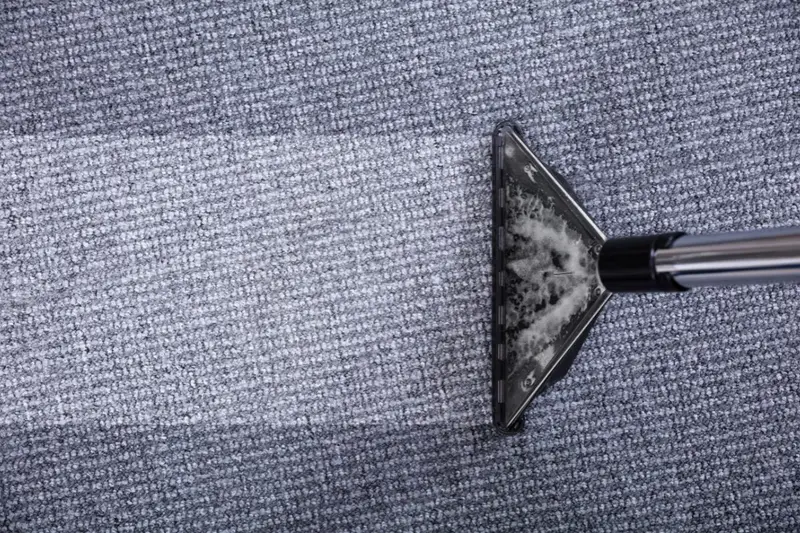
To get crayon out of carpet, scrape off what you can with a dull knife, vacuum the crumbs, then blot the mark with a few drops of clear dish soap in a cup of warm water. If a waxy film remains, lay a brown paper bag over it and press briefly with an iron on low, after testing on a hidden spot, so the wax melts into the paper. Color left behind usually lifts with rubbing alcohol on a white cloth, again after a test. Washable crayon often needs only the soap and water.
Why is crayon different from candle wax?
Crayon is mostly wax, so the same rules apply: get the solid off first, and use heat only through something absorbent. The difference is the amount of pigment. A crayon is packed with color, and when its wax melts, the color moves with it. That makes the iron riskier than it is with a white candle: too much heat, or the iron held too long, can turn a thin line into a wide smudge. For candle drips, see how to get candle wax out of carpet.
How do you get the color out?
- Scrape and vacuum. Lift the crayon off the top of the pile with a dull knife, working along the line rather than across it.
- Try soap first. Dab on the dish soap solution and blot with a white cloth. On washable crayon this is often all you need.
- Lift the wax. If the fibers still feel waxy or look shiny, press through a plain brown paper bag or white paper towel with the iron on low and the steam off, a few seconds at a time, moving to clean paper each time.
- Treat the color. Test rubbing alcohol on a hidden spot, then dab it on a white cloth and blot what’s left, from the outside in. It can pull carpet dye too, so check the cloth often, and keep a window open.
- Rinse. Mist with plain water, blot, and press a dry towel on the spot.
How do you get crayon off a couch?
Scrape gently in the direction of the nap. Then check the cleaning code: W and WS fabrics can take the dish soap solution, sparingly; S fabric needs a water-free solvent cleaner made for S fabrics, after a test; on X fabric, scrape and vacuum only. Skip the iron on upholstery unless it’s a flat, sturdy fabric you’ve tested, and never use it on velvet or microfiber. On leather, wipe the crayon off with a soft dry cloth and leave alcohol and heat out of it.
What’s different on wool and natural-fiber rugs?
Scrape and vacuum, then stop and test before anything else. Wool can scorch under an iron, and alcohol can move the dyes in a handmade rug. On jute or sisal, scrape and use the dish soap solution as sparingly as you can, since water can brown them. Hand-knotted, silk and viscose rugs are a photo-first job.
What if color is still there after the wax is gone?
That’s pigment that has bonded to the fiber, and it’s the part of a crayon mark most likely to stay. Another careful round of alcohol may lighten it. Melted crayon, from a box left in a sunny window or by a heater vent, is harder again: it soaks down into the pile and sets as it cools. Scrape what’s on top and call rather than ironing a large melted patch. If a cleaned spot turns gray a few weeks later, leftover wax or soap is holding dirt; why carpet stains come back after cleaning explains the fix.
Crayon on the carpet in West Covina?
Buyher’s is a family-owned carpet and upholstery cleaner in West Covina, working in homes across the San Gabriel Valley since 1987 with eco-friendly products that are safe around kids and pets. Text a photo of the drawing to (626) 260-6256 for a free quote, or call (800) 794-9241 any time. Our carpet cleaning and upholstery cleaning cover the floor and the couch.