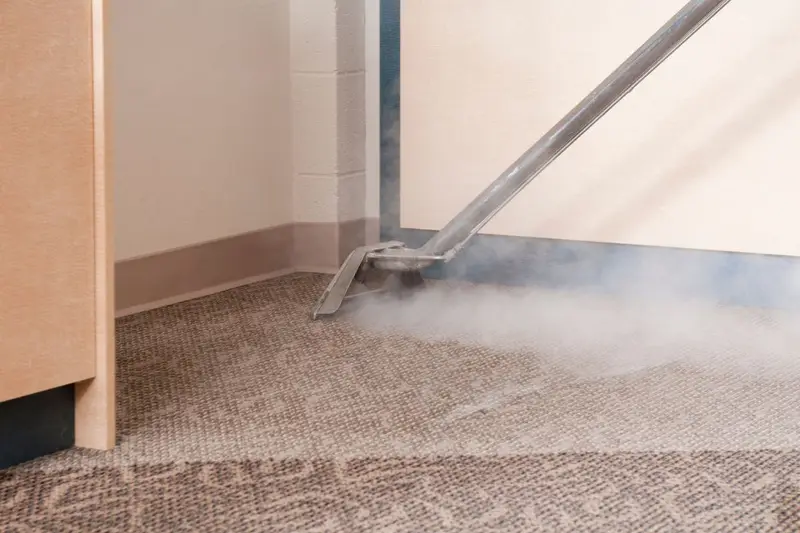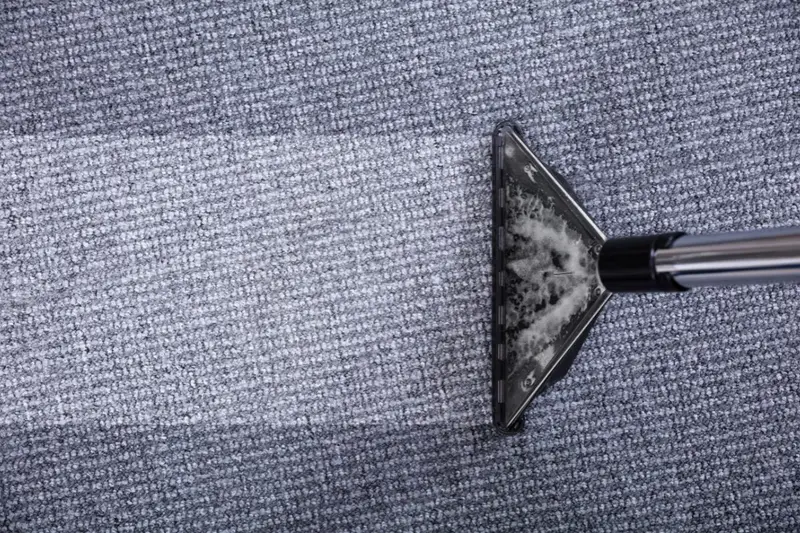
To get candle wax out of carpet, let it harden first. Hold a sealed bag of ice on it for a few minutes, then break it up, scrape it away with a dull knife or spoon, and vacuum the flakes. For the thin layer left in the pile, lay a plain brown paper bag or a white paper towel over it and press briefly with an iron on low, steam off, so the wax melts into the paper. Test the iron on a hidden spot first, and keep it moving.
Why does wax need cold first and heat second?
Wax is a solid at room temperature that melts at a fairly low heat. Cold makes it brittle, so most of it snaps off the fibers instead of smearing. What’s left coats the individual strands, and a little heat turns it liquid again so something absorbent can wick it away.
The catch is color and scent. Colored candles carry dye that travels wherever the melted wax goes, and scented candles add fragrance oil that can leave a greasy ring.
How do you get the last of the wax out?
- Scrape first, every time. The less wax left, the less heat you need.
- Test the iron. Set it to low with the steam off and the water emptied. Press it through paper on carpet inside a closet for a few seconds, then check the fibers. Some synthetics, olefin in particular, can melt or flatten at lower temperatures than you’d expect.
- Press, lift, move. Hold the iron on the paper for a few seconds, lift it and look. When the paper shows a wax spot, shift to a clean area and repeat, working from the outside edge in.
- Clean the film. Dab on a few drops of clear dish soap in a cup of warm, not hot, water to lift any greasy residue, then rinse with plain water and blot.
- Fluff the pile with your fingers once it’s dry.
If the candle was colored, especially red or a dark shade on light carpet, scrape it and stop there. Heat can carry the dye sideways into a bigger, pinker patch. Our guide to protecting carpet for holiday guests gives the same advice.
What about wax on a couch?
Freeze and scrape it the same way, keeping the ice in a sealed bag so no water drips onto the fabric. The iron method can work on flat, sturdy W and WS fabrics after a hidden test, always with paper between iron and fabric. Skip heat on velvet, chenille and microfiber, which crush or mark, and on S or X fabric stop after scraping and call.
On leather, let the wax harden, flex the leather gently so the wax pops off, and keep heat and solvents away from it. If a mark remains, send a photo; we clean leather furniture too.
What’s different on wool and natural-fiber rugs?
Wool doesn’t melt the way some synthetics do, but it can scorch, so keep the iron low and the paper thick. Silk and viscose shouldn’t get heat at all. On a hand-knotted rug, stop after scraping and send us a photo; many have dyes that bleed easily. Jute and sisal handle brief, low heat better than water; skip the soap step on them.
Why is there a dark spot where the wax was?
A few weeks later, the spot can look grayer than the carpet around it. That’s leftover oil from the wax or fragrance holding onto everyday dirt. A second round of the dish soap solution, rinsed well, usually fixes it. A pink or orange shadow is dye, and that’s the point to call.
Wax on the carpet in West Covina?
Buyher’s is a family-owned, licensed and insured cleaner based in West Covina, cleaning carpet, rugs and upholstery across the San Gabriel Valley since 1987. Text a photo of the drip to (626) 260-6256 and we’ll tell you whether it’s a home fix or a job for our carpet cleaning, or call (800) 794-9241 any hour.