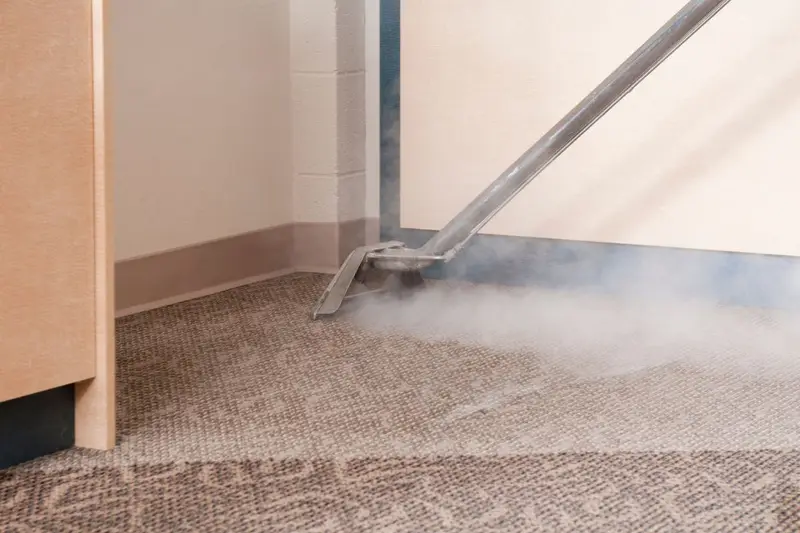
To get chocolate out of carpet, harden it first: hold a bag of ice on it until it’s firm, then scrape it off with a dull knife and vacuum up the flakes. Next, blot the leftover smear with a few drops of clear dish soap in a cup of cool water, rinse with plain water, and blot dry. A mild white vinegar solution often lifts any brown tint left. The rule that matters most: no heat.
Why does chocolate need to be chilled first?
Chocolate is several stains in one bar. Cocoa butter is a fat that melts at about body temperature, which is why chocolate goes soft in a warm hand or a pocket. Milk chocolate adds milk protein, nearly all chocolate adds sugar, and the cocoa itself leaves a brown pigment.
While it’s soft, every wipe presses fat and pigment deeper into the pile. Cold makes the fat brittle, so most of it breaks off as flakes instead of smearing. Heat melts the fat into the fibers and cooks the milk protein onto them, which is why the paper towel and iron trick used on candle wax is the wrong move here.
How do you get chocolate out of carpet, step by step?
- Lift what you can. Scoop loose pieces up and away with a spoon.
- Chill it. Put ice in a zip-top bag so no water drips, and hold it on the chocolate for a few minutes until it’s hard.
- Scrape and vacuum. Flake it off gently with a dull knife or spoon edge, then vacuum the bits.
- Cut the fat. Mix a few drops of clear dish soap into a cup of cool water, dab it on, wait a minute and blot. Dish soap is made to break up fat, and the fat is what holds the brown in place.
- Rinse. Mist with plain water and blot until the cloth comes up clean.
- Lift the last of the brown. If a tint remains on synthetic carpet, dab on one part white vinegar to two parts cool water, blot, and rinse again.
Test the soap and vinegar mixes in a hidden spot first and let them dry before you go further.
What about chocolate on the couch?
Chocolate often ends up pressed into a seat cushion during a movie or melted into an arm. Chilling and scraping are safe on any fabric; after that, the cleaning code decides. On W or WS fabric, use the dish soap solution sparingly on a cloth, rinse with a barely damp cloth and dry with a fan. On S fabric, skip water; a solvent cleaner labeled for S fabrics can deal with the fat after a hidden test, but leave any brown that remains for a professional. On X, scrape, vacuum and stop. Upholstery cleaning codes explained shows where to find the tag.
What about wool and natural-fiber rugs?
Ice and scraping are fine on wool. Follow with a very small amount of dish soap in cool water, and skip vinegar, which can shift natural dyes. Rinse thoroughly, since soap left in wool attracts soil and can stiffen the pile. On jute or sisal, scrape and vacuum, then stop, because water can leave brown marks. On viscose, scrape only and call.
What if a mark stays behind?
A spot that turns grayish over the next couple of weeks is usually leftover sugar or fat collecting dirt. One more plain-water rinse and a firm blot often clears it. If a brown shadow is still there after two careful rounds, more product won’t help.
Halloween candy and holiday treats bring a lot of chocolate into the house each fall; how to protect your carpet from holiday parties has ways to keep it off the floor.
Chocolate ground into the carpet in West Covina?
Text a photo of it to (626) 260-6256 or call (800) 794-9241. Buyher’s is a family-owned cleaner based in West Covina. Our carpet cleaning pre-treats, rinses and extracts with truck-mounted hot water, and upholstery cleaning handles the couch, which usually dries in about 4 to 8 hours.