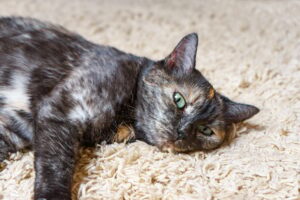
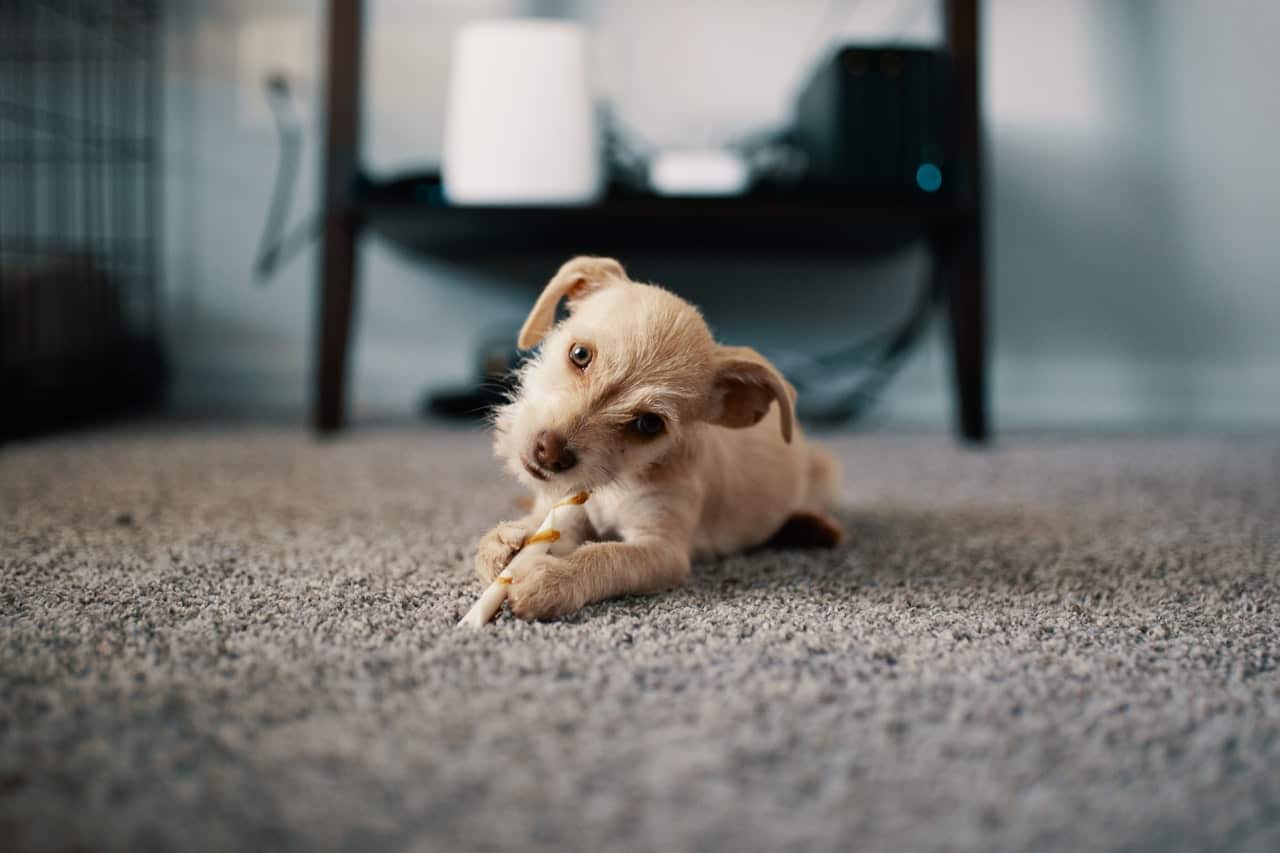
If you have dogs or cats, your couch probably takes more abuse than almost anything else in your home. Pet hair, body oils, saliva, accidents, and everyday lounging all contribute to deep odors that cling to fabric — and no amount of Febreze or vacuuming seems to fix it.
Pet smells travel far into the cushion layers, making DIY cleaning ineffective. That’s why professional upholstery cleaning is often the only real solution when your sofa develops a lingering dog or cat odor.
Here is a complete, step-by-step breakdown of exactly how professionals remove pet smells from couches — the same techniques we use every day in West Covina, Covina, San Dimas, Azusa, Walnut, Diamond Bar, and the surrounding LA County area.
For service details, visit:
Upholstery Cleaning – Buyher’s Carpet & Upholstery
Why Pet Odors Get Trapped in Couches
Pet odors come from more than just accidents. Even clean, well-groomed animals leave behind:
- Body oils
- Saliva
- Dander
- Fur trapped in seams
- Bacteria from paws and skin
- Moisture after playing outside or baths
These contaminants penetrate deep into the:
- Fabric
- Foam cushions
- Padding layers
- Frame crevices
Once odor reaches the foam, it cannot be removed with sprays or household cleaners. That’s where professional extraction comes in.
Step 1: Pre-Inspection and Odor Mapping
A professional begins by identifying:
- Where the odor is strongest
- Which cushions or sections are affected
- Whether urine or pet accidents are present
- Fabric type (microfiber, cotton, linen, suede, etc.)
- Any moisture damage or bacterial growth
We often lift cushions, check the underside of covers, and look for areas where pets frequently sit or sleep.
Why this matters: Different fabrics require different cleaning chemistries and moisture levels.
Step 2: Dry Extraction to Remove Hair, Dander & Debris
Before any wet cleaning begins, professionals use commercial equipment to remove:
- Pet hair
- Dander
- Embedded dust
- Surface debris
- Lint caught in the weave
This step includes:
- Crack & crevice vacuuming
- Brush agitation
- Compressed air in seams
Removing dry debris allows cleaning solutions to reach the deeper odor sources more effectively.
Step 3: Enzyme Pre-Treatment (Critical for Pet Odors)
Enzymes are natural proteins that break down organic matter. Professionals apply a specialty enzyme solution designed to digest:
- Pet oils
- Odor-causing bacteria
- Dried saliva
- Dander buildup
- Organic spills
If urine is present, an enzyme designed specifically for ammonia and uric acid crystals is used.
DIY sprays only mask odors — enzymes actually neutralize the source.
Step 4: Fabric-Safe Agitation to Loosen Embedded Oils
After enzymes start breaking down odor molecules, the technician gently agitates the fabric using:
- Soft brushes
- Microfiber pads
- Low-moisture scrub tools (depending on fabric)
This pulls out oils and contaminants stuck to fiber surfaces.
This is one of the biggest differences between DIY and professional cleaning — agitation is what frees deep odors from the fabric.
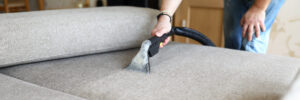
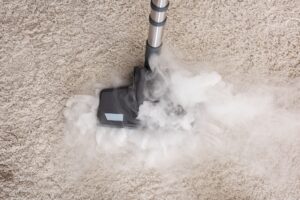
Step 5: Hot Water Extraction (Professional Deep Cleaning)
This is the most important step in removing pet smells. Using commercial equipment, professionals inject hot water (often 180–220°F) deep into the fabric while simultaneously extracting:
- Dirt
- Oils
- Bacteria
- Enzyme-broken residues
- Pet odor molecules
Because the machine’s suction is so strong, moisture is removed quickly without over-soaking the cushions.
This step reaches deep into the foam — something home machines cannot do.
Step 6: Neutralizing Odor Treatment
After extraction, professionals apply an odor-neutralizing solution formulated for:
- Dog odors
- Cat odors
- Urine smell
- Wet dog odor
- Musty or sour pet smells
This isn’t a fragrance spray — it’s a molecular bonding agent that eliminates odor at the chemical level.
The formula penetrates deeper than enzyme cleaners and continues working for hours.
Step 7: Padding or Cushion Treatment (If Needed)
If odor has reached the foam, additional steps may be required:
- Deep saturation deodorizer injection
- Additional hot water flush
- Foam extraction
- Drying with air movers
Most couches don’t require this, but for older or heavily used sofas, this step is essential to achieving a completely odor-free result.
Step 8: Rapid Drying to Prevent Sour Smells
Odor removal depends on fast drying. Professionals speed up the process using:
- Air movers
- High-CFM drying fans
- Strategic cushion placement
Most couches dry within 4–6 hours, depending on material.
DIY cleaning often leaves couches wet for 12–24 hours — that long drying time is one reason DIY methods can cause musty odors.
Step 9: Final Inspection & Fabric Grooming
Before finishing, the technician checks for:
- Lingering odor pockets
- Uneven texture
- Discoloration
- Missed hair or debris
They then gently groom the fabric to restore a smooth, uniform appearance.
Why DIY Pet Odor Cleaning Usually Fails
Homeowners try everything — baking soda, vinegar, Febreze, enzyme sprays, carpet shampooers — but the odor always returns. Here’s why:
1. Household cleaners only clean the surface
Pet odor lives deep in the foam and fabric layers.
2. DIY machines lack heat and suction
They wet the fabric but cannot extract deeply.
3. Most products leave residue
Residue attracts more dirt and traps odors.
4. Vinegar and baking soda do not neutralize pet odor molecules
They simply create temporary masking effects.
5. Over-wetting causes mildew — making the smell worse
Professionals avoid this with controlled moisture levels.
This is why pet odors are the #1 upholstery issue requiring professional service.
How to Prevent Pet Odors Between Professional Cleanings
- Wash pet blankets weekly
- Vacuum cushions regularly
- Use a lint roller for hair control
- Rotate cushions to distribute wear
- Use waterproof pet covers for high-use areas
- Schedule cleaning every 6–12 months
Homes with multiple dogs or cats should aim for every 4–6 months, especially in warmer climates like LA County where heat amplifies odor.
Ready to Remove Pet Odors From Your Couch?
If your sofa smells like dog, cat, urine, or a mystery animal odor, we can remove it — completely, safely, and professionally.
Buyher’s Carpet & Upholstery Cleaning specializes in deep upholstery odor removal for all fabric types, including microfiber, cotton, linen, suede, and leather.
Serving West Covina, Covina, San Dimas, Diamond Bar, Walnut, Azusa, Pomona, Glendora, and all surrounding San Gabriel Valley areas.
📞 Call Anytime: (800) 794-9241
Professional Upholstery Cleaning